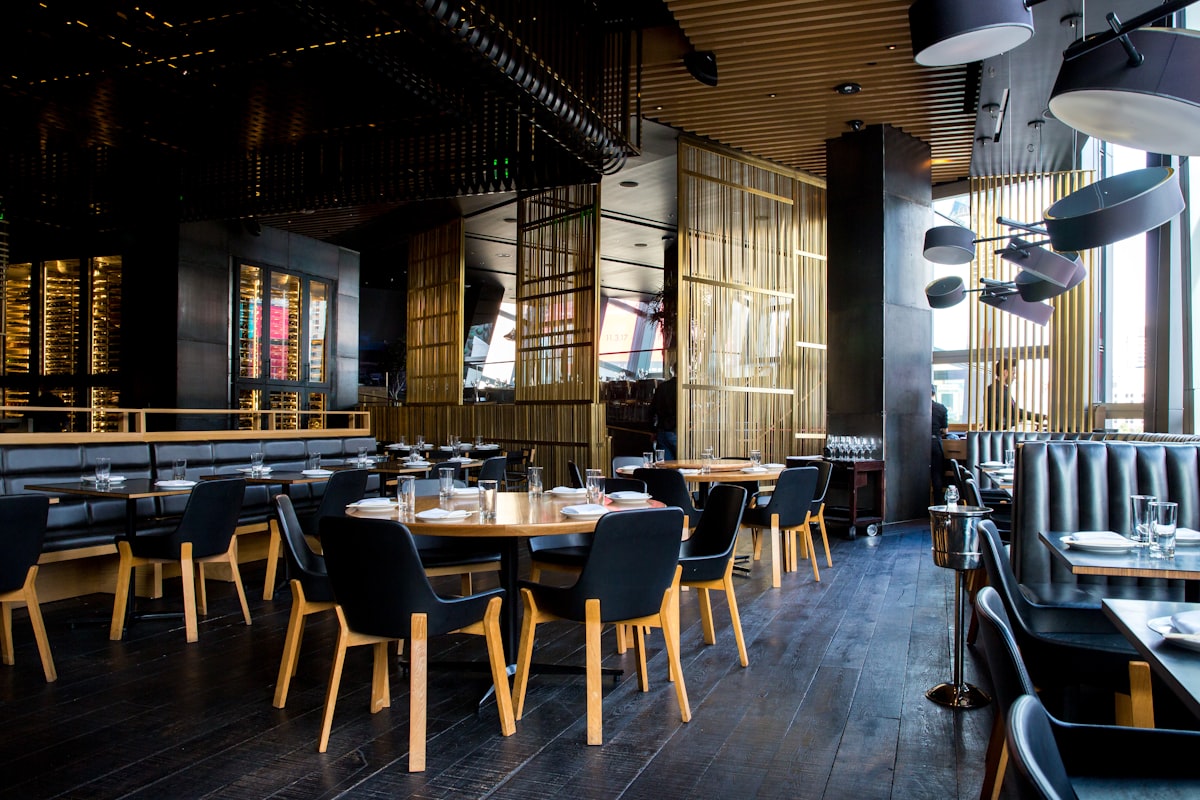
Building a restaurant website used to take weeks and cost thousands. In 2026, AI can build your complete restaurant website — menu, online ordering, reservations, and photos — in 60 seconds. Here's how Ritsbo's AI website builder for restaurants works and why it's the fastest way to get your restaurant online.
Why Restaurants Need a Website in 2026
90% of consumers research a restaurant online before visiting. If your restaurant doesn't have a website, you're losing customers to competitors who do. But traditional restaurant website builders are expensive ($100-300/month), slow to set up, and charge transaction fees on every online order.
Ritsbo's AI builds a complete restaurant website in 60 seconds for $59/month flat — no transaction fees, no setup costs, and no technical skills needed.
What's Included in Your AI Restaurant Website

- Menu pages: AI generates beautiful, mobile-optimized menu pages based on your cuisine
- Online ordering: Built-in ordering system with Stripe and PayPal integration — no commission fees
- Reservation system: Customers can book tables directly from your website
- Photo galleries: Showcase your dishes, interior, and ambiance
- Location & hours: Embedded map, driving directions, and operating hours
- Mobile-responsive: Perfect on phones, tablets, and desktops
- SEO optimized: Automatic meta tags and structured data for local search visibility
- Social media integration: Connect your Instagram, Facebook, and review profiles
How It Works
- Describe your restaurant: Enter your restaurant name, cuisine type, location, and style
- AI builds your site: Ritsbo generates your complete website in 60 seconds
- Customize: Edit menu items, add photos, adjust colors and fonts
- Launch: Connect your domain and start accepting orders and reservations
Online Ordering Without Commission Fees
Third-party delivery apps like Uber Eats and DoorDash charge 15-30% commission on every order. With Ritsbo's built-in online ordering, you keep 100% of your revenue. Customers order directly from your website, and payments go straight to your Stripe or PayPal account.
Mobile-First Design
Over 70% of restaurant searches happen on mobile devices. Every Ritsbo restaurant website is automatically mobile-responsive, ensuring your menu, ordering system, and reservation page work flawlessly on smartphones and tablets.
Local SEO for Restaurants
Ritsbo automatically generates local SEO elements — meta tags, structured data, and clean URLs — to help your restaurant rank in local search results. When someone searches "Italian restaurant near me," your website is optimized to appear.
Pricing
Ritsbo costs $59/month flat. No transaction fees. No setup costs. No hidden charges. This includes everything: hosting, SSL, online ordering, reservations, SEO, and mobile design. Try it free for 14 days — no credit card required.
What a Guest Checks Before Choosing a Table
Almost every restaurant decision starts on a phone, often minutes before leaving the house. The guest wants the menu with prices, the opening hours, the address, whether they can book, and whether the room looks like the kind of place they want to sit in.
The menu is the most visited page on nearly every restaurant site and the one most often published as a PDF that is unreadable on a phone. Publish it as text with prices, updated when it changes, and let search engines index the dishes.
Photography decides the mood. A handful of good photographs of the room and three or four signature plates sets expectations better than a gallery of thirty average ones.
The Pages That Fill Covers
Restaurant sites should be short and fast, with the booking action never more than one tap away.
- Menu — food and drinks as readable text, grouped by course, with prices and allergen notes. Note which dishes are vegetarian, vegan or gluten-free.
- Reservations — a real booking flow with party size, date and time, or a clearly stated phone number and hours. State the policy for large groups and no-shows.
- Order online — collection and delivery with a direct ordering link. Third-party marketplaces take a meaningful commission, so pushing direct orders protects your margin.
- Visit — address, map, parking, transit, opening hours including holidays, accessibility, and whether walk-ins are welcome.
- Private events — a page for functions and large bookings with capacity, minimum spend and an enquiry form. This is high-value revenue that most restaurant sites hide.
Restaurant-Specific Details Guests Actually Need
Allergen information is a legal requirement in many markets and a source of real risk if it is wrong. Publish it clearly, keep it current, and put a phone number beside it for anyone with a severe allergy.
State the practical policies that generate phone calls: corkage, dress code, children, dogs, split bills, and whether the kitchen takes last orders before closing. Each one you answer on the site removes a call.
Gift cards, vouchers and a mailing list all work well from a restaurant site, especially around seasonal menus. A short sign-up offering first knowledge of a new menu outperforms a generic newsletter box.
Local Search and the Map Pack
Restaurant discovery is almost entirely local search plus maps. The business profile matters as much as the website: accurate hours (including holiday closures), the menu link, reservation link, and photos refreshed with each season.
Reviews drive the map pack more than anything else. Ask at the table when guests are happy, respond to all reviews, and never buy fake ones — platforms detect patterns and the penalty is severe.
On the site, give each core offering its own page — brunch, private dining, tasting menu — naming the neighbourhood. That lets one restaurant show up for several intents instead of only its own brand name.
Launch Order and the Numbers to Watch
Publish the menu, hours, reservation flow and visit page first. Those four pages cover most of what a guest needs, and they are also what Google reads to decide whether to show you for local searches.
Then add online ordering and the private events page, which are the two places a restaurant website makes money beyond filling tables. Keep the menu updated weekly; stale menus are the most common restaurant site failure.
Watch menu page views, booking completions, direct online orders versus marketplace orders, and calls to the reservation line. If bookings are low while menu views are high, the booking flow is not visible enough on mobile.
Build Your Restaurant Website Today
Stop losing customers to competitors with better websites. Start your free 14-day trial and have your restaurant website live in 60 seconds.
Written by Ritsbo Team
Ritsbo Team
Ritsbo editorial team — ecommerce, dropshipping & AI growth insights.
Sources & further reading
Primary documentation and research behind this article's local business marketing guidance.
- Improve your local ranking on GoogleGoogle Business Profile Help
- Local consumer review surveyBrightLocal
- Business guide: plan, launch, manageU.S. Small Business Administration
- Web Vitals: measuring real user experienceweb.dev (Google)
- Mobile-first indexing best practicesGoogle Search Central
- WCAG 2.2 quick referenceW3C Web Accessibility Initiative