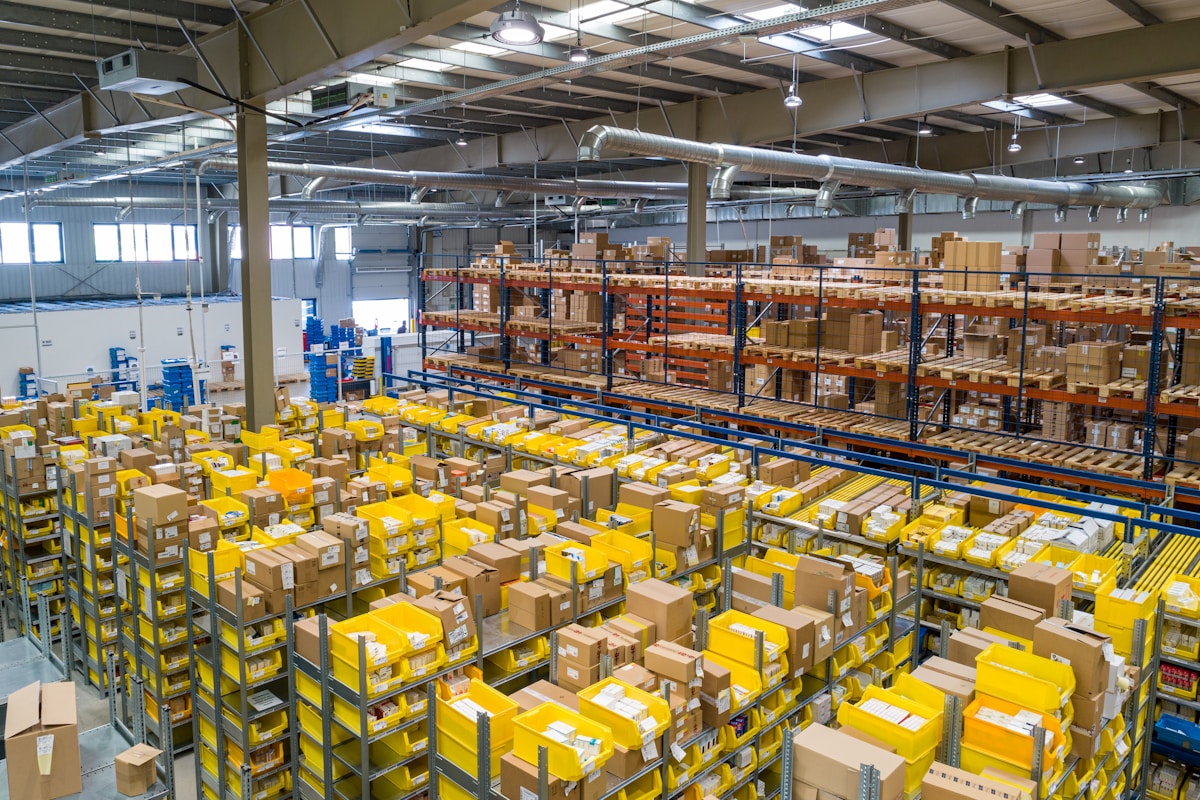
Your supplier is your business partner — a bad one sinks your store with slow shipping, broken products, and angry customers. This guide shows you how to find, vet, and keep great suppliers. Skip the search — start with a Ritsbo store pre-loaded with vetted suppliers.
A dropshipping store is only as reliable as its suppliers. You can have perfect marketing, a beautiful store, and winning products — but if a supplier ships late, sends broken items, or ghosts your emails, your store dies. The good news: great suppliers are findable if you know what to look for and where.
This guide covers the full supplier lifecycle: where to find them, how to vet them, when to upgrade them, and how to build relationships that let you scale to 7 figures.
Where to Find Dropshipping Suppliers
1. AliExpress — The Testing Ground
AliExpress is where most dropshippers start, and for good reason: millions of products, no minimum order quantity, and global shipping. It's perfect for testing products cheaply. The trade-off is shipping speed — standard AliExpress shipping runs 12–25 days, which hurts conversion. Use ePacket or premium shipping options (often 7–12 days) for faster delivery, and filter suppliers by "Orders" and "Rating" to find the reliable ones.
2. Alibaba — The Scaling Source
Once a product proves it sells (50–100+ units/month), move sourcing to Alibaba. Alibaba connects you directly to factories, cutting out the AliExpress markup. Expect 30–50% lower per-unit cost, but with MOQs (minimum order quantities) of 50–500 units. Order in bulk, store with a 3PL warehouse, and ship to customers in 2–5 days — faster shipping plus higher margins. This is the transition that takes you from 6 to 7 figures.
3. Dedicated Dropshipping Apps
Apps like CJ Dropshipping, Spocket, Zendrop, and AutoDS sit between you and suppliers, offering faster shipping (often 5–10 days), automated order fulfillment, and pre-vetted products. They cost a monthly fee but remove manual order processing — useful once you're processing 100+ orders/month. Compare their shipping times and product catalogs against AliExpress before committing; some niches are better covered than others.
4. Private & Direct Factory Sourcing
The highest margins come from private supplier relationships — factories you find through trade shows (Canton Fair, ASD Market Week), B2B directories (ThomasNet for US suppliers), or direct outreach to manufacturers on Alibaba. A direct relationship means you negotiate price, request custom packaging, and can private-label products. This is how mature brands cut costs and build defensible margins. Ritsbo's supplier network gives you direct factory access when you're ready to scale.
The 5-Point Supplier Vetting Checklist

Never work with a supplier you haven't vetted. Run every potential supplier through this checklist before sending them a single order:
- 1. Shipping time: Order a sample to your own address and time it. Anything over 15 days to your primary market is a risk — slow shipping means chargebacks and 1-star reviews. Aim for under 12 days.
- 2. Communication speed: Message the supplier with a real question. If they reply within 12 hours, good. If it takes 48+ hours, they'll be just as slow when an order goes wrong — walk away.
- 3. Reputation: On AliExpress/Alibaba, look for 95%+ positive rating and 1,000+ orders. Read the 1–3 star reviews specifically — they reveal the real problems (broken items, slow shipping, poor packaging).
- 4. Product quality: Order a sample and inspect it like a customer would. Is the material cheap? Does it match the photos? Would you be embarrassed to sell it? Your supplier's quality becomes your brand's reputation.
- 5. Margin math: Landed cost (product + shipping to customer) must be under 30% of your selling price. The other 70% covers ad spend (30–40%), transaction fees (3%), and your profit (20–30%). If the margin doesn't work, find a different supplier or a different product.
Red Flags That Disqualify a Supplier
- Shipping estimates over 20 days — customers will chargeback before it arrives
- No response to messages within 24 hours — you'll have no recourse when orders break
- Product photos that look stolen (watermarks from other stores, inconsistent backgrounds)
- Prices far below market rate — usually bait-and-switch or counterfeit goods
- No return or replacement policy, even a basic one
- A brand-new store/supplier profile with under 100 orders and no reviews
- Refusal to send a sample — reliable suppliers always will
How to Negotiate Better Terms
Suppliers negotiate — most beginners don't realize this. Once you've placed 50+ orders with a supplier, you have leverage. Ask for:
- A volume discount: 5–10% off once you're ordering 50+ units/month consistently
- Faster shipping at the same price: Request upgraded shipping once you're a regular customer
- Custom packaging: Even small quantities can get a logo sticker or custom insert for $0.10–0.50/unit — huge perceived-value boost
- Exclusive pricing: If you commit to a monthly volume, ask for a locked-in rate below their listed price
- Better photos: Ask for unbranded high-res photos you can use in your store — saves you reshooting
Approach negotiation as a partnership, not a confrontation. Suppliers give better terms to buyers who order consistently and pay on time. Become their reliable customer first, then ask for terms that help you both grow.
Building Long-Term Supplier Relationships
The best suppliers become partners. Treat them well and they'll prioritize your orders, give you first access to new products, and flex when you need to scale fast. Do this:
- Pay on time, every time — it's the single biggest factor in supplier goodwill
- Communicate proactively — tell them when you expect a spike so they can stock up
- Give feedback — tell them about quality issues privately before they become public complaints
- Order consistently — a supplier who sees regular orders will prioritize you over one-off buyers
- Visit (or video-call) them if you scale to private labeling — face-to-face builds trust no email can
Skip the Supplier Hunt Entirely
A Ritsbo pre-made store comes pre-loaded with 500+ products from vetted suppliers — verified shipping times, healthy margins, and ready to sell from day one. No vetting, no sampling, no sourcing headaches.
Get a Store with Vetted Suppliers →When to Upgrade Your Supplier
Your supplier relationship should evolve with your store. Here's the typical progression:
- 0–50 sales/month: Stay on AliExpress or a dropshipping app. Keep testing products cheaply.
- 50–200 sales/month: Negotiate better terms with your current supplier, or move a winner to a faster-shipping app like CJ Dropshipping for 5–10 day delivery.
- 200+ sales/month on a single product: Move to Alibaba or direct factory sourcing. Order 100–500 units, store with a 3PL, and ship in 2–5 days. Margins jump 30–50%.
- 500+ sales/month: Private label. Custom packaging, your brand on the product, exclusive factory relationship. This is where dropshipping becomes a real brand.
This progression is exactly what the 7-figure scaling guide covers in depth — supplier upgrades are the operational backbone of scaling. Each upgrade costs more upfront but unlocks the margins that make 7 figures sustainable.
The Supplier Mistakes That Kill Stores
- Using one supplier for everything: If they go down, your whole store goes down. Have a backup supplier for every top product.
- Not ordering samples: Selling a product you've never seen is gambling. A $20 sample saves thousands in refunds.
- Ignoing shipping times: "It'll arrive eventually" isn't a business model. Slow shipping = chargebacks = dead store.
- Staying on AliExpress too long: Once a product wins, staying on AliExpress means leaving 30–50% margin on the table. Upgrade.
- Not communicating: Silent buyers get deprioritized. A monthly check-in keeps you top of mind.
Finding great suppliers is the unglamorous work that separates stores that last from stores that fold after three months. Vet ruthlessly, negotiate fairly, and upgrade deliberately as you grow. With Ritsbo's pre-vetted supplier network, you start at step five instead of step one — every store comes with reliable suppliers baked in, so you can focus on marketing and product selection while the supply chain runs itself.
Written by Ritsbo Editorial Team
Ritsbo Editorial Team
Ritsbo editorial team — ecommerce, dropshipping & AI growth insights.
Sources & further reading
Primary documentation and research behind this article's product sourcing guidance.
- Google Trends: compare search interest over timeGoogle
- TikTok Creative Center: top-performing creativeTikTok for Business
- Amazon Best Sellers and Movers & ShakersAmazon
- Basic import and export guidanceU.S. Customs and Border Protection
- Shipping tools and services for businessUSPS Business
- E-commerce logistics and supply chain insightsMcKinsey & Company